




James Marriott's new book confronts the reality of the reading crisis

Caroline Sanderson worked as a Waterstones bookseller, and as a book publicist before becoming a freelance writer in 1997. The Bookseller’s
...moreWith literacy levels plummeting in this National Year of Reading, a timely book arrives to make the case for the vital importance of reading off-screen.


Caroline Sanderson worked as a Waterstones bookseller, and as a book publicist before becoming a freelance writer in 1997. The Bookseller’s
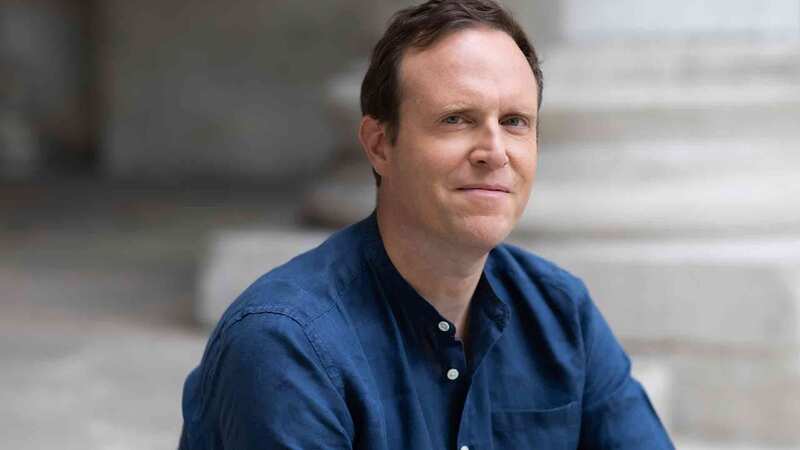
...moreWriter and Times columnist James Marriott’s debut book, The New Dark Ages: The End of Reading and the Dawn of a Post-Literate Society, is a staunch defence of the written word. Charting the history of literacy from ancient times, through the reading revolution of the 18th century, to the present, he argues that “our tolerant and scientific civilisation is the contingent product of the literate culture created by the spread of reading”. But that culture is now under threat. “Much of the disorder and unreason of the twenty-first century is a direct consequence of the fading of the written word and the rise of a culture shaped by images and videos,” he writes.
This gloomy hypothesis could hardly be more timely in our National Year of Reading, when more than a third of UK adults state they have given up reading, and with the National Literacy Trust reporting “shocking and dispiriting” falls in children’s reading, which is now at its lowest level on record.
The decline of reading and its consequences have preoccupied Marriott since he began writing his column for the Times five years ago. “At first, writing about how no one is reading anymore felt like the typical moan of a columnist,” he tells me when we speak via video call. “But then I read reports from universities saying their students were struggling to read, and about declining reading levels in both Britain and America. And I began to feel like I had a grand theory of how all this had come about. I wrote a 7,000-word essay for my Substack, and it went viral, far more so than anything else I’ve ever written.” The essay’s readership of more than one million suggested that the decline of reading is a concern shared by many, and convinced The Bodley Head to publish a book. Marriott also pitched the idea to BBC Radio 4, and the result was a complementary three-part series entitled How Reading Made Us that was broadcast last month.
Pleasure will certainly be part of making the case for reading. But we also have to say: this is a smart thing to do, an important thing to do
Even with our now diverse publishing ecosystem of audiobooks and e-books as well as those that are physical, Marriott’s view is that off-screen reading is king. “It’s a spectrum and I’m not going to say I have the definitive answer. But there seems to me a lot of convincing scientific research that when we read on the printed page we are engaging with what we read more and we are thinking more critically. With an audiobook you still get that density of thought. But when you have a written text physically in front of you, you can study it, you can go back over sentences you don’t understand, you can underline things. That part of the reading process is very important”.
Drawing on the work of theorists including Walter J Ong and Steven Pinker, and the neuroscience of reading specialist, Maryanne Wolf, The New Dark Ages (which appropriately concludes with a list suggesting further reading) is cogently argued and alarmingly convincing. But I put it to Marriott that as people for whom reading and access to books has always been a given, he and I and other bookish types could appear elitist and even sanctimonious in our advocacy. For example, here is how he describes his Newcastle-upon-Tyne childhood in the early part of his book: “My English teacher father brought me up to regard literature as the central part of life in a way that was not exactly common in the north of England in the early 2000s. Literature was how we explained and interpreted our lives. We quoted books and novels every day… This all seemed normal to me at the time. Though I can now see that we were cultural outliers”.
Marriott – who was formerly deputy on the Times books desk, and prior to that worked in rare books – tells me he is cognisant of this “cultural outlier” danger. “We do have to understand that reading for a lot of people is just not obvious in the way it is for us.” The book does also address what might be construed as a patronising attitude to cultures and people without writing as a central cultural pillar. This does not, argues Marriott, make the threat any less real. “A guy who works at Stanford University told me that his students basically view reading as being for suckers.”
Continues…
Read More


With the health of Western civilisation arguably at stake, along with the livelihoods of publishers and booksellers – not to mention authors and journalists who write about books – I tell Marriott that I am trying to stay optimistic. What about the boost to physical book sales from BookTok? The totemic importance of recent non-fiction publishing? The recent trends piece by Guardian fashion editor Jess Cartner-Morley in which she asserts that for cool Gen Z-ers “reading is more visible than it has been in years”? After all, James Daunt himself has opined that young people “want to do something not staring at a screen”. Marriott is more pessimistic and considers it foolish to “pretend that a few more book clubs will turn it all back”. But he also believes it would be “crazy” not to try to push back against reading’s decline.
One analogy that gives him hope is that of the 1970s cult of exercise, which coincided with the rise of junk food. “Not many people went running before the ’60s and ’70s, but when McDonald’s arrived, together with the beginnings of the obesity crisis, people became more concerned with their health and began exercising more. I think that we’re starting to realise that we’re in a similar situation, but instead of junk food, we have all this junk information. I think I can see the shoots of people saying: I want to make a concerted effort to improve my cognitive fitness, to consume more complex forms of information. Therefore reading is something I want commit to.”
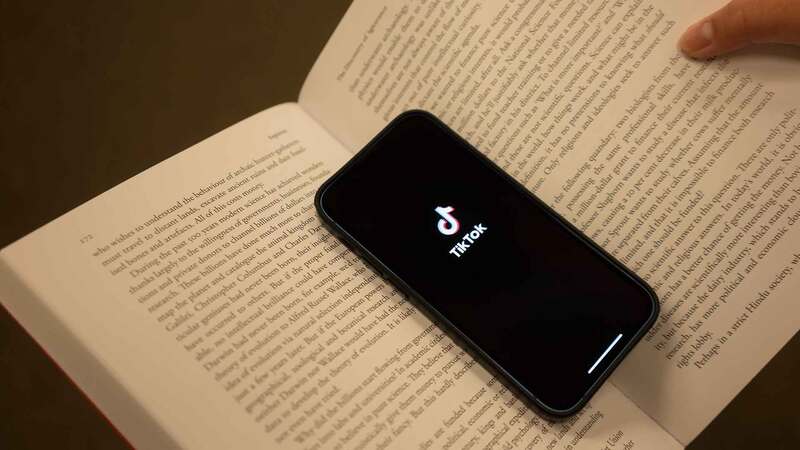
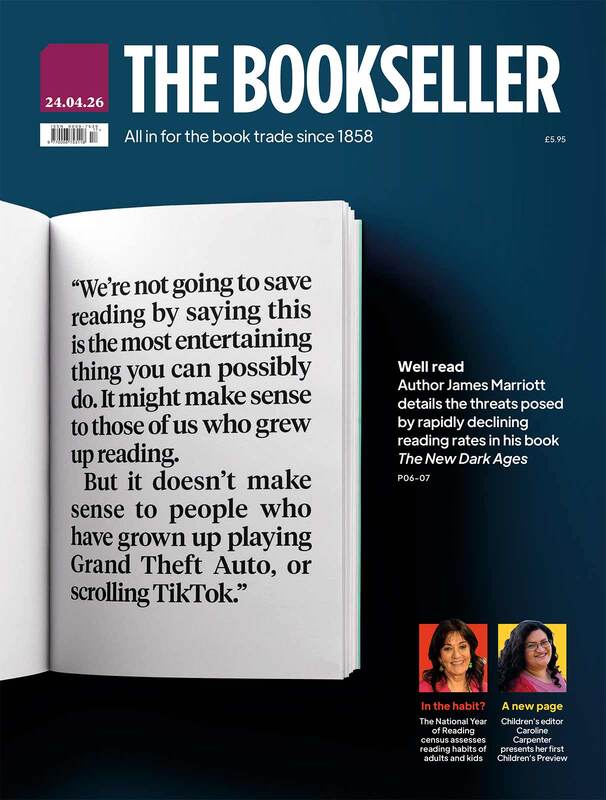
Marriott’s hope is that if there is a reading revival, it will naturally lead people towards more serious books. More War and Peace and less romantasy, in other words; a view that may rile those who regard reading omnivorously for pleasure as the key to it all. Marriott’s take is clear. “We’re not going to save reading by saying this is the most entertaining thing you can possibly do. It might make sense to those of us who grew up reading. But it doesn’t make sense to people who’ve grown up playing Grand Theft Auto or scrolling TikTok. Pleasure will certainly be part of making the case for reading. But we also have to say: this is a smart thing to do, an important thing to do.”
Whatever your own perspective, and I feel sure you will have one, The New Dark Ages remains an essential conversation-starter about the imperilled future of reading. Including for devotees of dragon romance.
Metadata
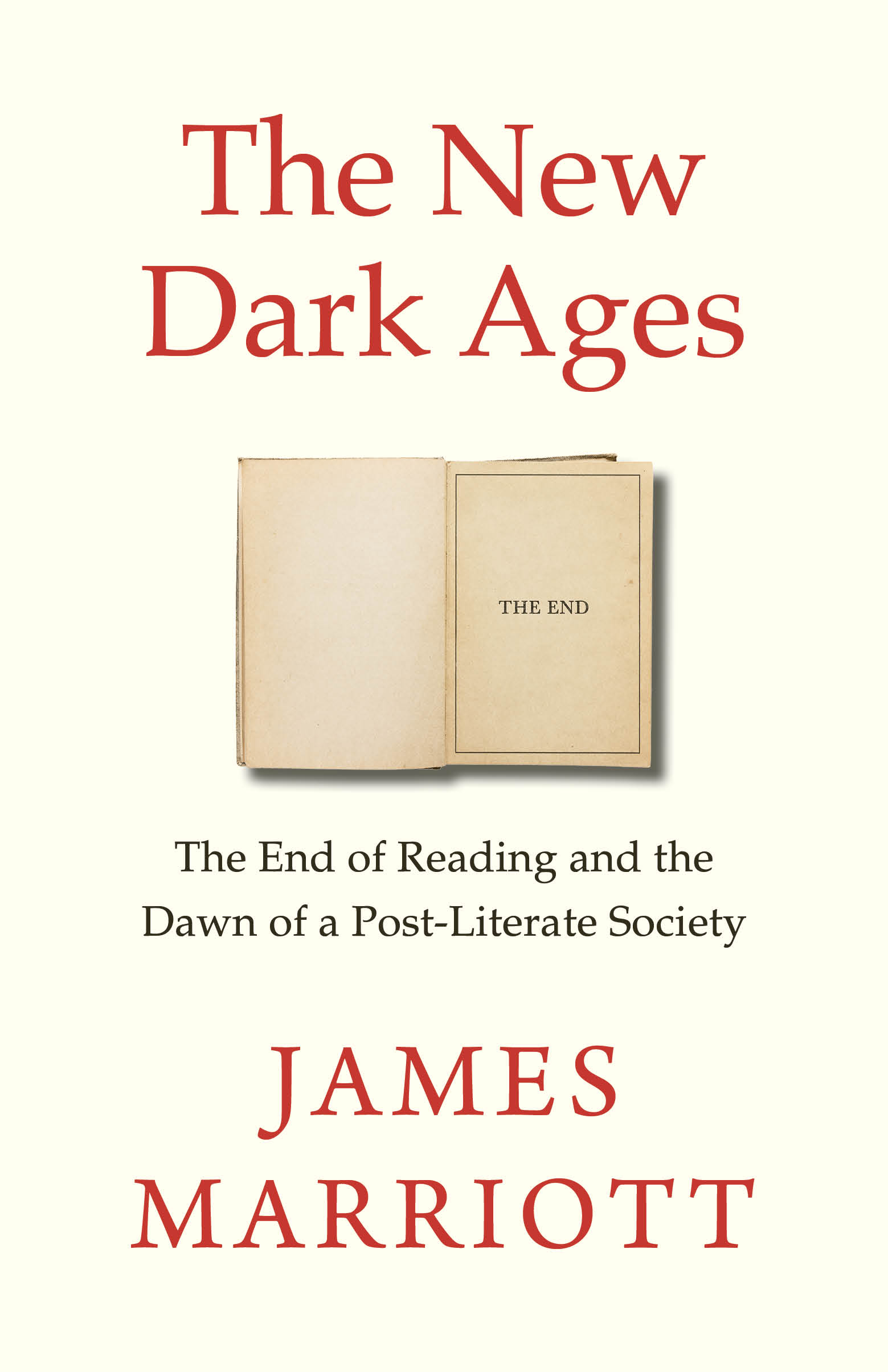
Imprint The Bodley Head
Publication 11th June 2026
Formats HB (9781847929518, £14.99); EB (9781529994346, £14.99)
Rights sold Eight territories including the US (Doubleday)
Editor Stuart Williams
Agent John Ash, CAA