




Molly Ker Hawn: ‘Bologna is like summer camp. There’s so much joy’
The agent on selling up to David Higham, the power of outrage and publishing’s need to take chances.


‘The adrenaline of selling a book is addictive. It’s like spread betting. It’s pretty much legalised gambling.”
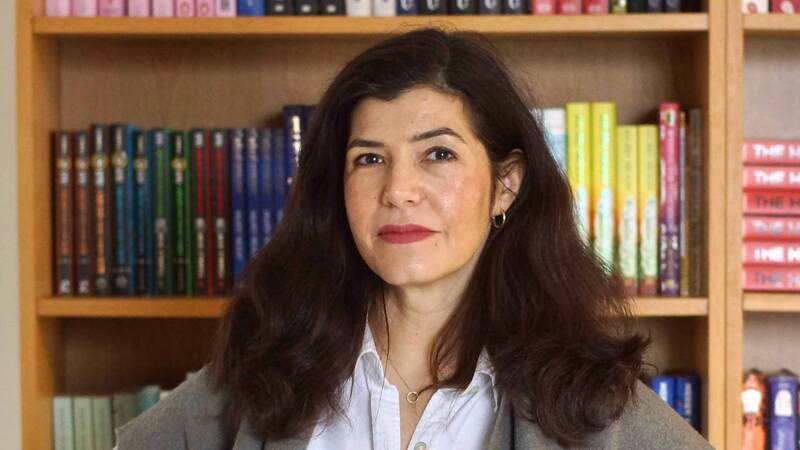
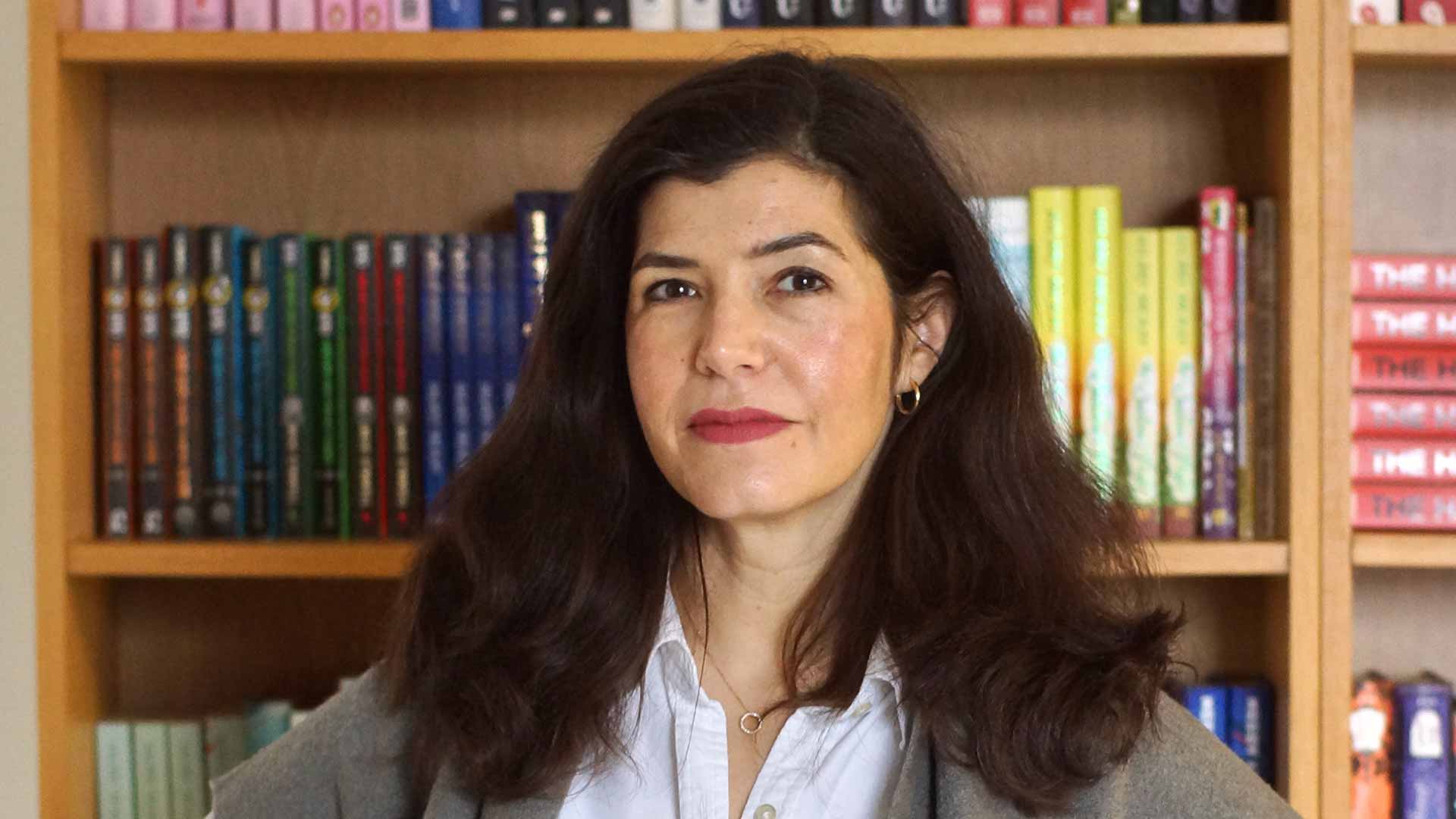
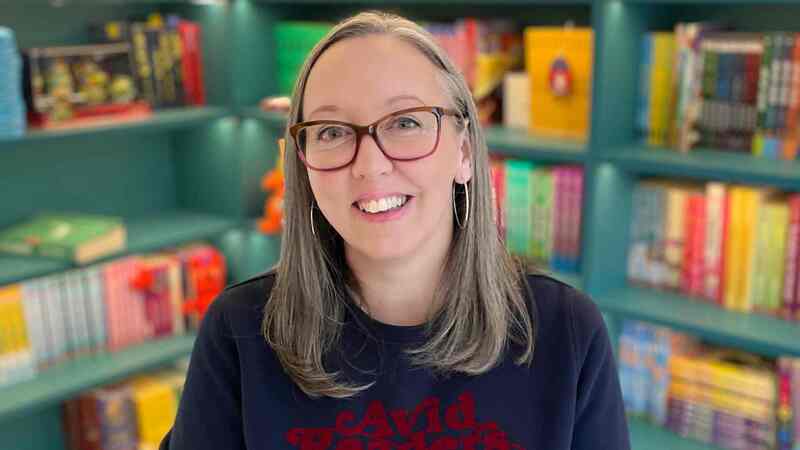
Molly Ker Hawn is mid-flow, riffing on the joys and keys to being an agent – particularly those who specialise in children’s – energised by the excellent kale and herb fritters we are snacking on at a Thai restaurant near London’s Borough Market. She is being mischievous, but then goes on, more soberly: “Though I am very calm in my personal life, it helps that I can be fundamentally indignant and outraged as an agent because the author is, almost always, the underdog. So we are starting out in a position where the power is out of whack, and I am here to make sure that imbalance gets redressed.
“Plus, you have to be a relentless optimist. Every time you open your submissions inbox, you see a lot of manuscripts from people who are probably never going to see their dreams realised. But then nothing beats that thrill when you find an author who clearly knows what they’re doing, and just by reading the first couple of paragraphs you think: ‘I’m in really good hands here.’ ”
Ker Hawn is feeling relentlessly optimistic on the corporate level following the late 2025 acquisition by David Higham Associates (DHA) of her The Bent Agency (TBA) UK. Ker Hawn – California-born-and-bred but a Londoner for many years – set up TBA’s British base 14 years ago, linking with her long-time friend and TBA founder Jenny Bent (the two first met at Cambridge University, two Americans assigned to nearby rooms in their halls of residence).>
Time on our side
Even before the DHA acquisition last December, publishing’s chattering classes assumed something was afoot with TBA UK as there were significant departures: Gemma Cooper left a year and a half ago to set up Gemma Cooper Literary and Nicola Barr exited last summer to launch Rye Literary. Companies House filings reveal Bent resigned as a TBA UK director in May 2025 (though the TBAs shared a name, branding and some clients, the British outpost was a separate entity and Companies House documents show Ker Hawn was the sole shareholder).
Ker Hawn insists that the split basically came down to her wish to get back to the joy of agenting: “I ran a small business, started from scratch, learned a ton. I’m lucky to have had that experience. But I reached a point where the administrative burden was becoming so high and so heavy that the ratio of time I was spending on client work compared with running the business wasn’t where I wanted to be.”
All of Ker Hawn’s roster – including The Hate U Give author Angie Thomas, Loki series creator Louie Stowell, YA fantasy star Alwyn Hamilton and Costa winners Frances Hardinge and Hilary McKay – came with her to DHA.
“I was nervous telling my clients [about the sale] because nobody likes change. But, really, the only question most of them asked was: ‘Does this mean you’re going to have more time?’ And it was exactly what it meant because I no longer have to do things like shop around for professional liability insurance.”
Ker Hawn chose DHA partially because of its managing director Lizzy Kremer, with whom Ker Hawn has been friends since they were on the board of the Association of Authors’ Agents: “I liked the way she thought about our responsibilities to authors and publishers’ responsibilities to authors – our thinking was aligned in so many ways.”
The DHA culture has “proven to be such a good fit. They’re – we’re – intensely collaborative, which I knew, but I didn’t fully understand until I had the opportunity to sit in on all kinds of conversations about other people’s lists, issues, clients and concerns; the alacrity with which my new colleagues are willing to weigh in on my concerns is such a shot in the arm”.
Continues…
Read More
Make it snappy
Ker Hawn has bolstered the DHA children’s side as it heads into Bologna. It is much altered, though, with Caroline Walsh’s retirement at the end of 2025 – Walsh’s starry list of clients such as Jacqueline Wilson, Cressida Cowell and Liz Pichon have been taken over by other DHA staffers – and the addition of Isobel Boston, who crossed the aisle from publishing to join as children’s agent.
Ker Hawn herself hits the Fiere on a high, having just sold a younger YA debut novel in an “intense” US auction, of which she cannot yet reveal the details. But that dovetails into what she is seeing high on the agenda from editors at the moment: “short and snappy middle-grade that doesn’t sacrifice on quality” and funny books. Though Ker Hawn adds it is tough to pin down trends with “editors saying it is hard to know what’s going to work, which leads to a sense that some of them don’t actually know what they want. I say that is an opportunity: if it’s hard to make everything work, then shouldn’t you take chances?”
She is all in for the current vogue for shorter titles and respects “highly consumable books – there is nothing better than [Dav Pilkey’s] Dog Man in getting an eight-year-old reluctant reader to devour a whole series. But we can balance highly consumable books with those that have challenging ideas and introduce kids to the ways that authors play with language.
I think about [Patrick Ness’ modern classic] The Knife of Never Letting Go. If I tried to send something like that out now, I worry publishers would say: ‘Ooh, this is too complicated.’ But I think kids love when they can tackle a book like that – to know that it’s a challenge, but it still feels like it was written for them. That’s what makes reading addictive”.
Ker Hawn grew up in Marin County (the other end of the Golden Gate Bridge from San Francisco). Her parents were not readers, but she spent a lot of time in the library because “in the 1970s libraries were like daycare: I’d be dropped for hours while my mother did errands”. A year abroad at a school in Dorset was a formative experience, leading her to apply to Cambridge.
After university, Ker Hawn bagged a children’s editorial assistant role at San Francisco-based Chronicle Books. She switched coasts to New York for a job at Penguin’s Dial imprint, then was drawn to a variety of magazine roles as “the money was nice”. The work, however, was “soul-destroying”, so she “came screamingly back to children’s books”, initially at trade body the Children’s Book Council. She moved to London when her husband was transferred for work and took maternity leave. When she returned to work, Bent called wondering if she might fancy becoming an agent.
As we leave, she tells me she cannot wait to get to Bologna: “Are you kidding? I look forward to it like it’s summer camp. There’s so much joy there. Even when we’re complaining, there’s a baseline level of joy, because children’s publishing is always going to be more than just a business. There is that sense of shared social purpose. As terrible as the news is, as rotten as the world is, most people in children’s publishing get up in the morning and think: ‘Maybe what I’m doing is going to make a difference to a kid somewhere.’ ”